
Last updated November 22, 2026
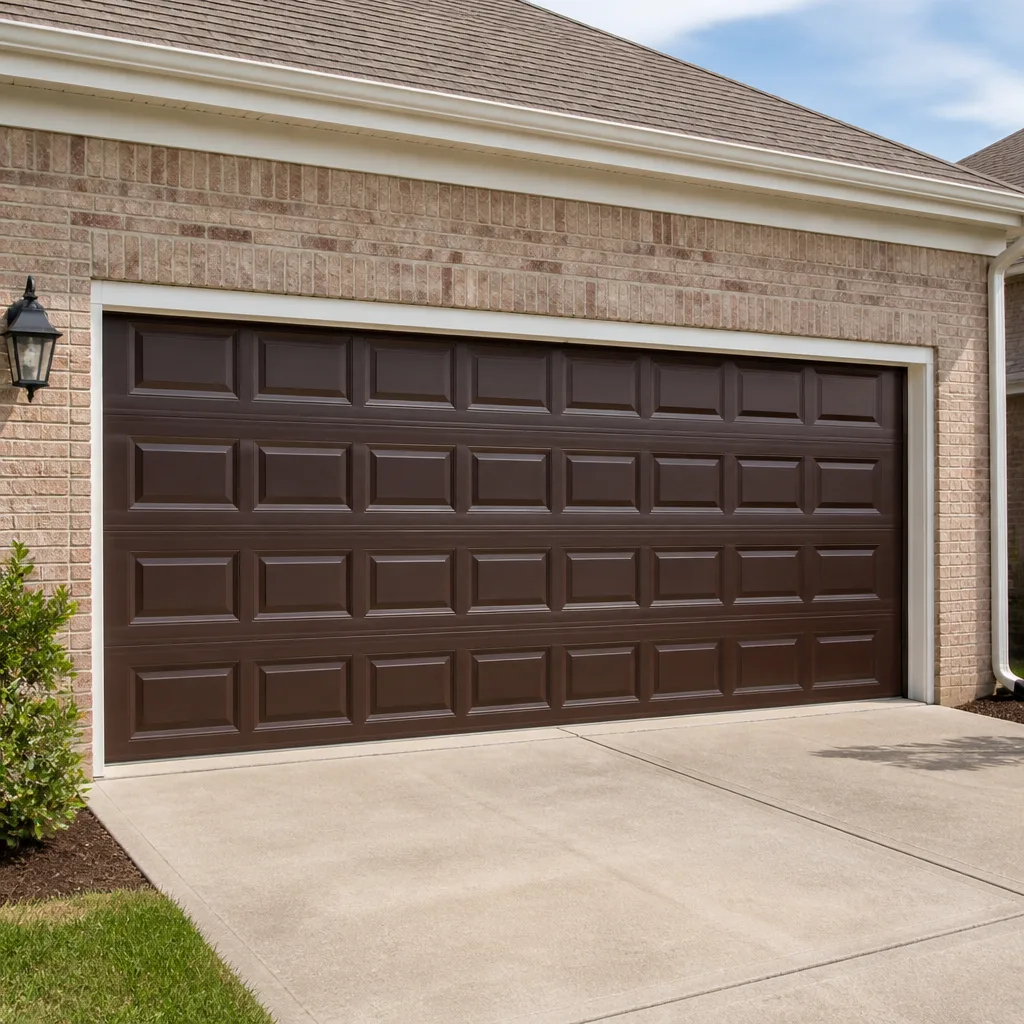 Raised-panel steel
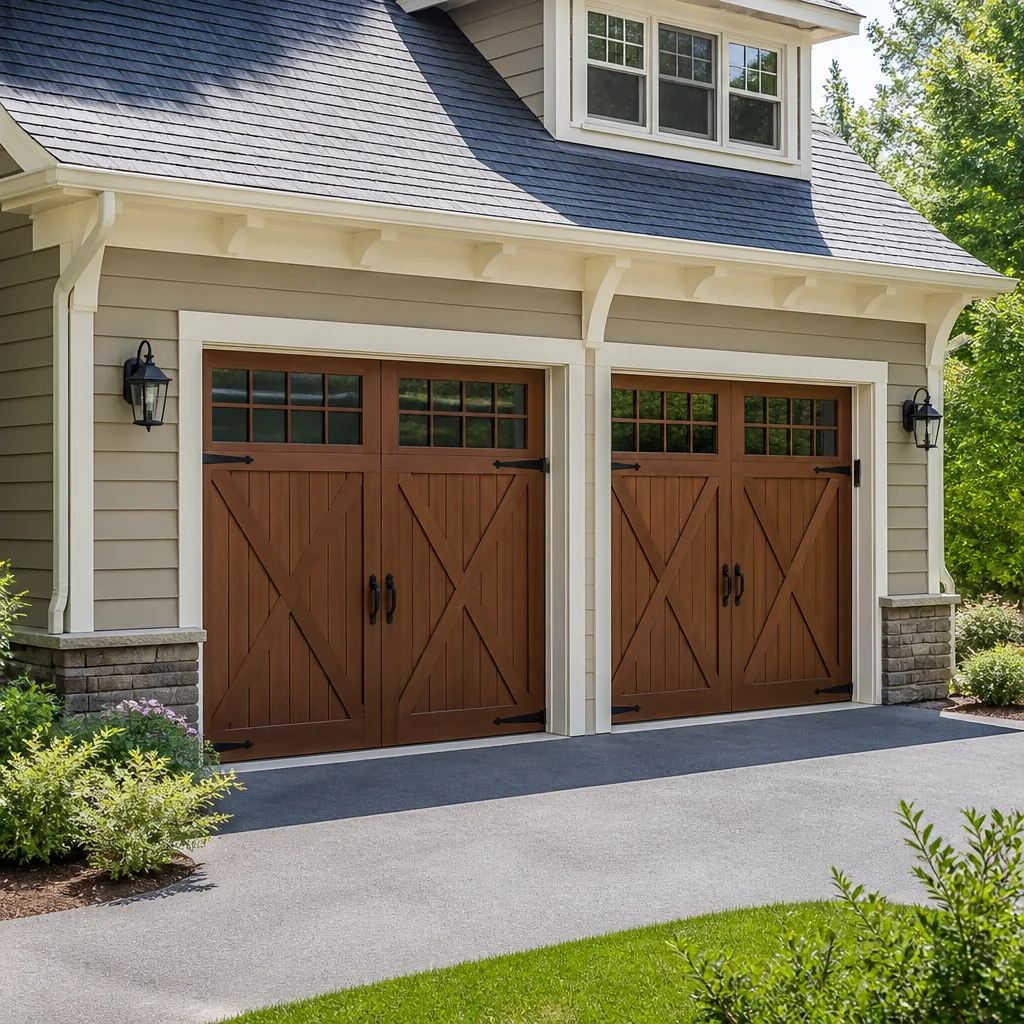 Carriage house
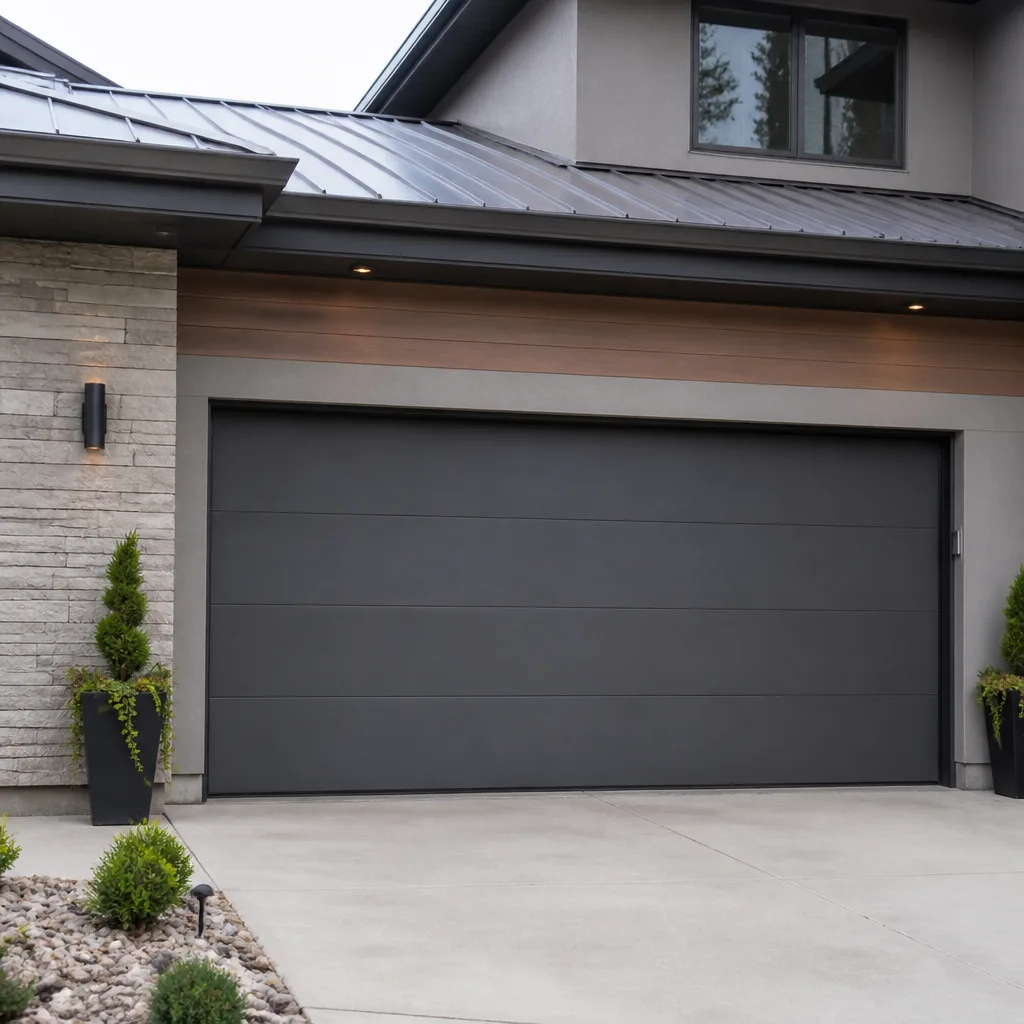 Modern flush
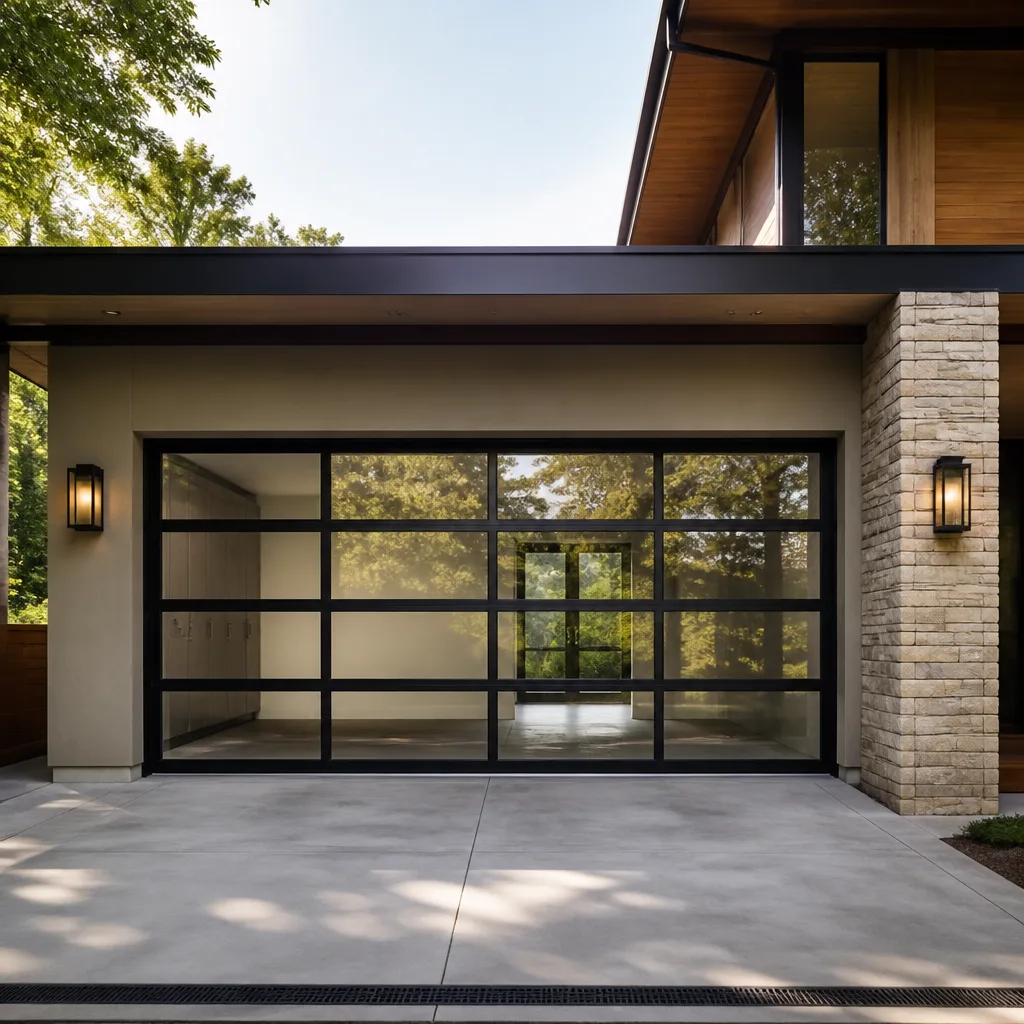 Full-view glass
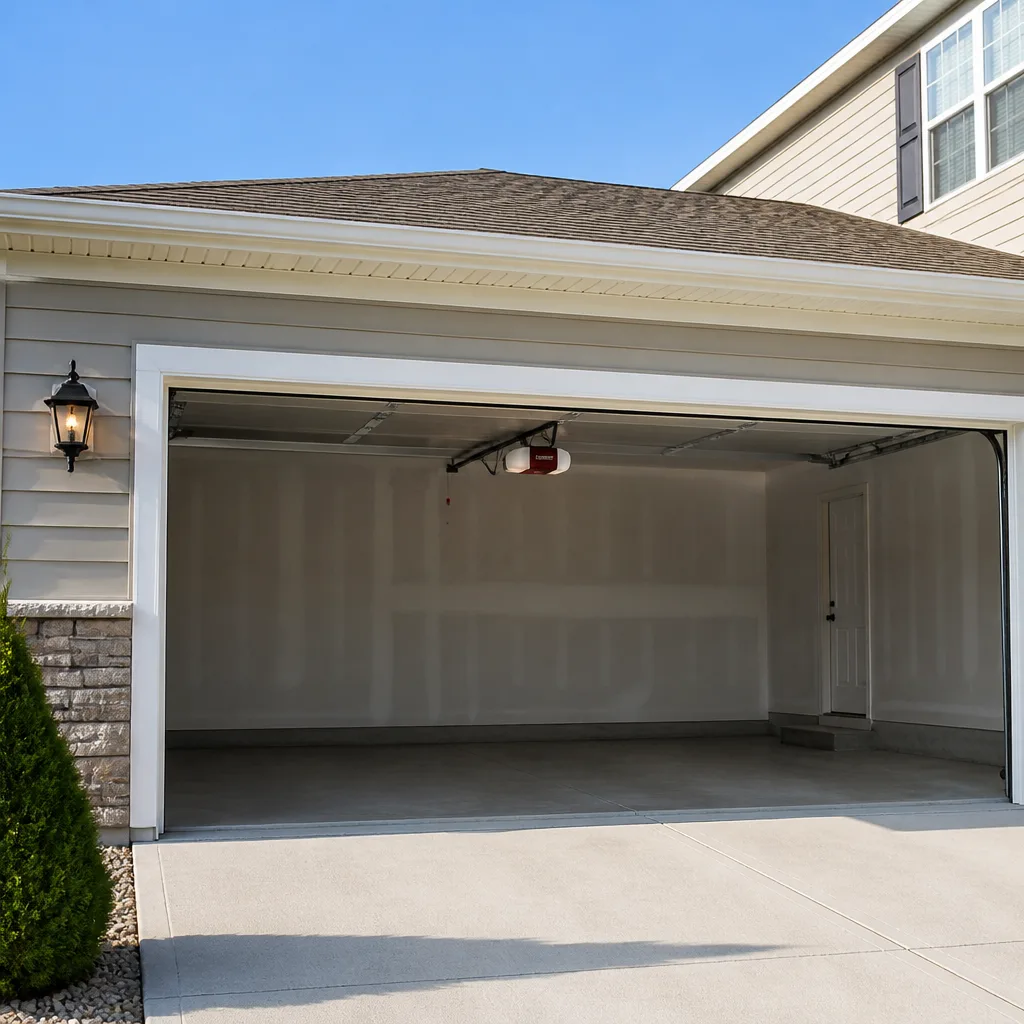 LiftMaster openers
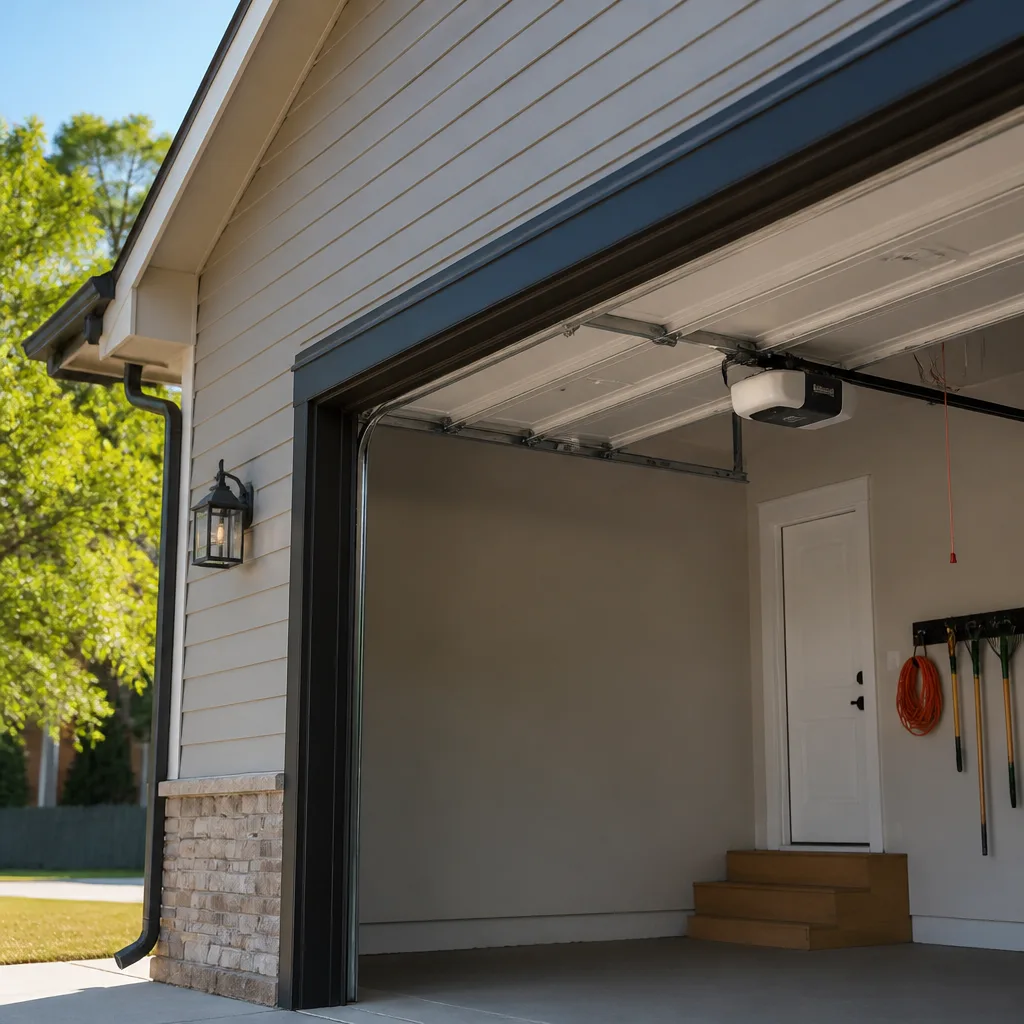 Chamberlain openers
Full 25-point door and opener safety check with every visit - springs, cables, rollers, tracks, and your LiftMaster or Chamberlain opener included
You get a price before we start. It does not change when the pro arrives.
Get your free estimateSeasonal Garage Door Care for Edina: Year-Round Homeowner’s Guide
Most garage door advice assumes the weather holds still. It doesn’t here. A garage door in Edina runs through a spread of close to 100 degrees between the coldest January mornings and the hottest July afternoons, and every part of that door – the springs, the seals, the opener motor, the tracks – responds to that swing in its own way. Lubricating in fall and checking sensors in spring is a fine start, but it doesn’t tell you why your opener starts straining in February or why your bottom seal pulls loose in April. This guide maps the actual mechanical stress points by season and shows you what to check before a failure happens.
Quick Answer
Seasonal garage door care in Edina comes down to four jobs tied to the Minnesota calendar: prep the opener and springs for cold in late fall, watch for frost heave and seal misalignment during the spring thaw, protect rubber and painted steel from summer UV, and run a prioritized pre-winter diagnostic before the first hard freeze. The single biggest factor is temperature swing. Metal contracts in the cold, rubber hardens, and the springs that balance your door carry noticeably different tension in February than they did in September. Check on a seasonal schedule rather than when something breaks.
Styles & brands we work with
- Raised-panel steel
- Carriage house
- Modern flush
- Full-view glass
- LiftMaster openers
- Chamberlain openers
Table of Contents
- Why Edina’s Temperature Swing Matters More Than You Think
- Winter: Opener Motor Strain and Cold-Weather Failure
- Spring Thaw: Frost Heave, Seals, and Track Plumb
- Summer: UV Damage on Seals and Painted Steel
- Fall: The Pre-Winter Diagnostic Checklist
- Thermal Bridging in Edina’s Attached Garages
- Common Mistakes to Avoid
- When to Call a Professional
Why Edina’s Temperature Swing Matters More Than You Think
A garage door is a system under constant tension. The torsion spring above the door is wound to hold the door’s weight so a small force from the opener can lift it. Nothing about that balance is fixed. Steel contracts in cold and expands in heat, and the spring itself changes stiffness as the temperature moves. That’s true anywhere, but in Edina the extremes are wide enough that the difference shows up in how the door behaves, not just in theory.
What that means in practice is that a door adjusted to feel right in September will feel different by January. It might open slower, sound coarser, or sit slightly off in the frame. None of that is automatically a failure. It’s the door doing what metal does when the air gets cold.
The four stress points worth knowing
- Springs: the highest-stress component on the door. Tension changes with temperature, and a spring already worn thin gives out faster in a cold snap.
- Opener motor: the motor doesn’t change with weather, but the load it lifts does. A tighter, heavier-feeling door in the cold asks more of an aging motor.
- Bottom seal and weatherstripping: rubber hardens in cold and degrades in sun. Both seasons shorten its life.
- Tracks and concrete: concrete floors heave during freeze-thaw cycles, and a floor that moves can pull a door out of square.
Edina has a lot of homes with attached garages that are exposed to the full swing of the seasons, from older neighborhoods near the Country Club District to newer builds out toward the west side. In every case, the calendar is the best maintenance reminder you’ve got.
Winter: Opener Motor Strain and Cold-Weather Failure
Winter is when openers fail. Not because the motor is weaker in January, but because everything it’s pushing against has gotten stiffer. Cold thickens the lubricant inside the opener’s gear case, hardens the rubber seals the door slides past, and adds drag to the rollers. A motor that had margin in autumn is working at its limit by February. When an opener dies in the cold, it’s usually the last push on a machine that had been straining for weeks.
You can hear this coming if you know what to listen for. Our technicians have up to 8 years of experience and the pattern is consistent across brands – LiftMaster, Chamberlain, Genie, and older units all tell you the same way.
Signs your opener is working harder than it should
- Grinding, rattling, or a labored hum that wasn’t there a few months ago.
- The door moves slower on the way up than on the way down.
- The opener needs a second press to get the door moving from fully closed.
- The door reverses partway up on cold mornings and then works fine later in the day.
- The safety sensors trip more often in cold weather, which usually points to a misaligned bracket or a seal in the door’s path rather than a bad sensor.
If any of those show up, the answer is a proper diagnosis, not a bigger opener. Our garage door opener repair work starts by separating an opener problem from a door problem, because the two produce similar symptoms and a lot of homeowners replace an opener that was only reacting to a dragging door.
What to do before the cold sets in
- Lubricate the springs, hinges, and rollers with a grease made for cold temperatures, not a light spray that thickens below freezing.
- Clear the tracks of grit and check that the door runs freely by hand with the opener disengaged.
- Look at the bottom seal for cracks and hard spots. A stiff seal drags against a cold floor every time the door closes.
- Have a technician check spring tension before winter, since a tired spring is the most common cause of winter-opener strain.
Spring Thaw: Frost Heave, Seals, and Track Plumb
As the ground thaws, the concrete slab under a garage door moves. Frost heave lifts and shifts slabs unevenly, and when the floor under the door rises, the bottom seal gets pinched or torn, the door stops sitting level, and the tracks that were plumb in December go out of alignment. In Edina, this happens right around the time the last snow melts and the ground is soft and saturated. It’s the season when doors start sticking, seals pull loose, and tracks get knocked out of square.
The fix isn’t usually dramatic. But it does need to happen before the misalignment grinds the rollers, the tracks, or the opener itself.
What the thaw does to your door
- Bottom seal: a heaving slab can tear the rubber seal or leave a gap along one edge.
- Track alignment: a slab that lifts unevenly pushes the door frame out of plumb, and the door starts rubbing against the track.
- Panel alignment: a door that was level in fall can sit visibly off-square by spring.
- Weatherstripping: the seal around the frame absorbs moisture and pulls away as it dries.
Walk out to the garage after the thaw and look at where the bottom seal meets the floor. You shouldn’t see daylight, and the gap shouldn’t be wider on one side than the other. If it is, the slab or the door has moved. That’s the moment to get it looked at, before the door has a chance to run off-track and do real damage.
Summer: UV Damage on Seals and Painted Steel
Summer is the slow-damage season. Nothing fails suddenly in July the way it does in January, but the sun works on rubber and paint all season. Ultraviolet light breaks down the polymers in rubber seals and gradually oxidizes painted steel. By the time it shows, the damage is already a year old.
The rule that matters here is product choice. Not all seals and lubricants hold up the same way under Minnesota sun, and the difference between a seal that lasts and one that fails within two summers comes down to what material it’s made from.
Seals and materials that hold up vs. ones that don’t
- EPDM rubber: the standard for lasting outdoor seals. Handles UV and temperature swings much better than the alternatives.
- Vinyl seals: cheaper, but they stiffen and crack faster in strong sun. They tend to fail within a couple of seasons on a door that faces south or west.
- Lower-grade foam-filled seals: fine indoors, not built for sun exposure and a full cold-to-hot cycle.
- Painted steel doors: hold up well with proper finish, but chalky, faded paint means the clear coat is gone and rust will follow.
For the steel itself, a wash with mild soap and a coat of wax designed for painted metal goes further than anything else. And if your door faces south or west, pay closer attention to the seal on that side. It takes the most sun and usually fails first.
If you’re considering a different door for better heat resistance or durability, the full picture is on our garage door installation page, including which models from Clopay, Amarr, Wayne Dalton, and Raynor handle a Minnesota summer best.
Fall: The Pre-Winter Diagnostic Checklist
Fall is the most important maintenance season in Edina, and it gets the least attention. This is when a door that passes every day all summer should get a real diagnostic before the cold arrives. The point isn’t to check everything. It’s to check things in order of failure probability.
Here’s the order we use, from most likely to fail to least.
- Springs and balance. Disconnect the opener and lift the door by hand to the halfway point. It should hold there. If it sags or drops, the springs are worn and will fail under the added winter load.
- Opener condition. Listen for grinding, check that the safety reverse works, and look at the opener’s age relative to its load. Older LiftMaster and Chamberlain units are still solid, but they show wear in the cold.
- Weatherstripping and bottom seal. Press a seal with your thumb. If it stays compressed instead of springing back, it’s shot and will let cold air in all winter.
- Hinges and rollers. Look for worn bushings, bent hinges, or rollers that no longer turn freely.
- Track and alignment. Check for dents or debris in the tracks and confirm the door runs smoothly and evenly from top to bottom.
That order is deliberate. Springs and openers account for the large majority of the calls we get, and the seals and rollers are what push a marginal system over its limit. Fix the top of the list first and you’re less likely to need emergency help in the middle of a January cold snap.
For scheduled work or full garage door repair in Edina, the fall window is the easiest time to book ahead.
Thermal Bridging in Edina’s Attached Garages
Most Edina homes have an attached garage, and the wall between the garage and the house is a thermal bridge. The garage is usually unheated, so that shared wall carries cold air from the garage into the house in winter and lets heat in during summer. That affects your energy bills, and it affects the door itself.
The reason matters. A door that seals tight against a well-insulated frame keeps the garage a few degrees warmer than the outside air, which reduces the temperature swing the door and springs actually experience. A door that leaks air at the bottom, sides, or top lets the full swing in, and the hardware feels all of it. That’s why a good seal is an energy fix as much as a comfort fix.
What to check around the door for air leaks
- The bottom seal, along its entire width, not just where it’s most visible.
- The perimeter weatherstripping on both sides and across the top.
- Any daylight coming through the gaps between the door panels.
- The threshold at the floor, where a heaving slab leaves a gap that cold air pours through.
Sealing the door doesn’t solve a thermal bridge on its own, but it moves the needle on both home comfort and how hard the door has to work. Given the temperature differential Edina homes run through every year, that’s a two-for-one worth taking.
Common Mistakes to Avoid
- Treating maintenance as a single yearly chore. A door in Edina faces four distinct stress seasons, and a fall tune-up doesn’t cover what the spring thaw does. Check seasonally.
- Using light spray lubricant in winter. A thin oil thickens below freezing and makes the opener work harder. Cold-weather grease protects the springs, hinges, and rollers without adding drag.
- Ignoring a slow or strained opener through the fall. The strain you hear in October is what fails in February. Diagnosing it early usually means a smaller repair, not a new opener.
- Buying the cheapest seal every spring. Cheap vinyl fails within a couple of Minnesota summers. An EPDM rubber seal costs more up front and lasts through the seasons.
- Prying at a stuck door after the thaw. A door that’s stuck after the frost heave is usually out of alignment in a way that gets worse with force. Get the track and slab checked instead.
- Adjusting the springs yourself. Springs are the highest-risk part of the door and are under enormous tension. That’s a job for a trained technician, not a homeowner with tools.
- Assuming a strong opener fixes a heavy door. If the door needs more force to move, the problem is the door, not the motor. Replacing the opener without fixing the underlying drag leads to the same failure a few months later.
When to Call a Professional
Call a professional for anything involving the springs, cables, or the opener’s internal wiring. That’s a safety matter, not a maintenance preference – the springs are under huge tension and a mistake can cause serious injury. Also call if the door won’t close completely and the safety sensors keep tripping, if the door comes off track after the thaw, or if the opener makes a grinding noise that keeps getting worse. None of those improve with time. In our experience, the quickest path to an expensive repair is waiting on a problem that had a small fix a few weeks earlier.
Edina Garage Door Repair Pros offers free estimates in Edina – call (833) 508-9483. We answer 24/7. Fast dispatch from 7am to 7pm, Sunday through Friday. When you call, the price is quoted and agreed before any work starts, so the written estimate is the price you’ll see on the invoice.
See the difference
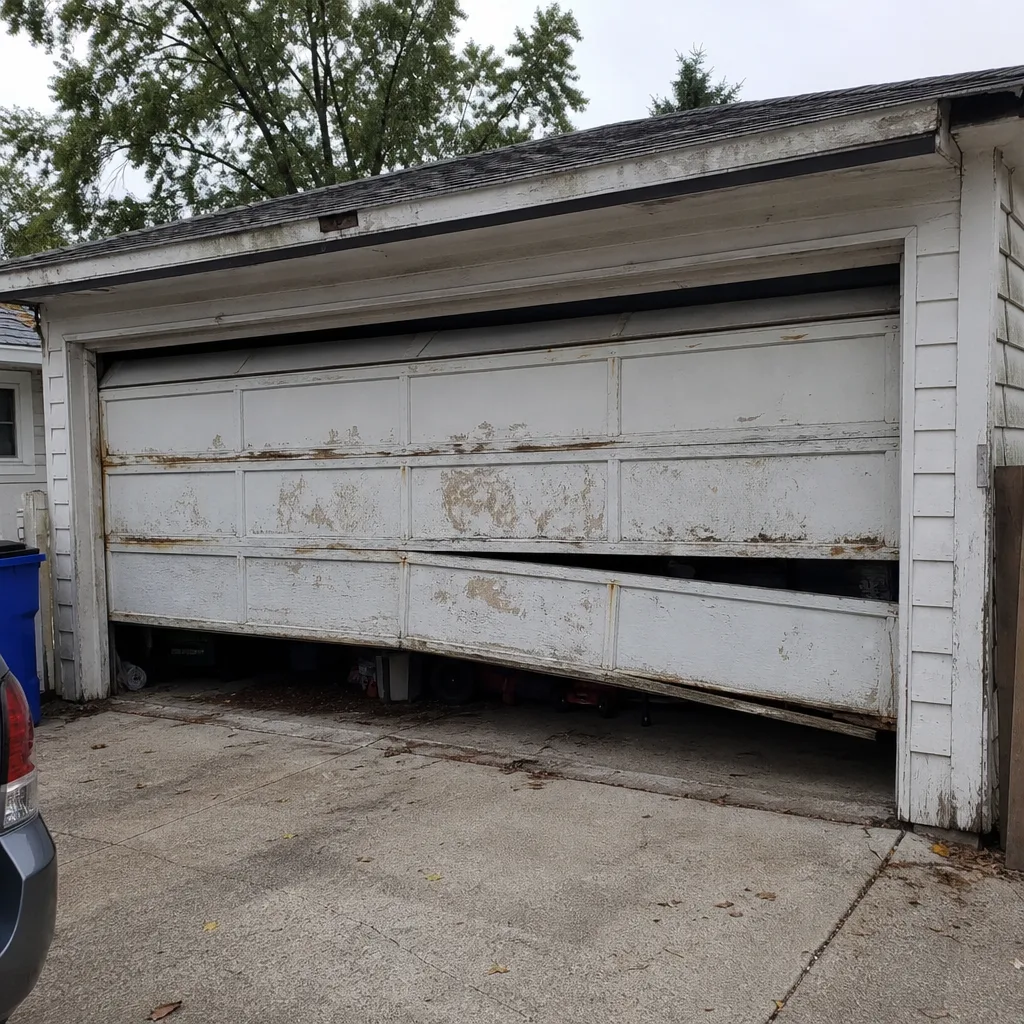 Before
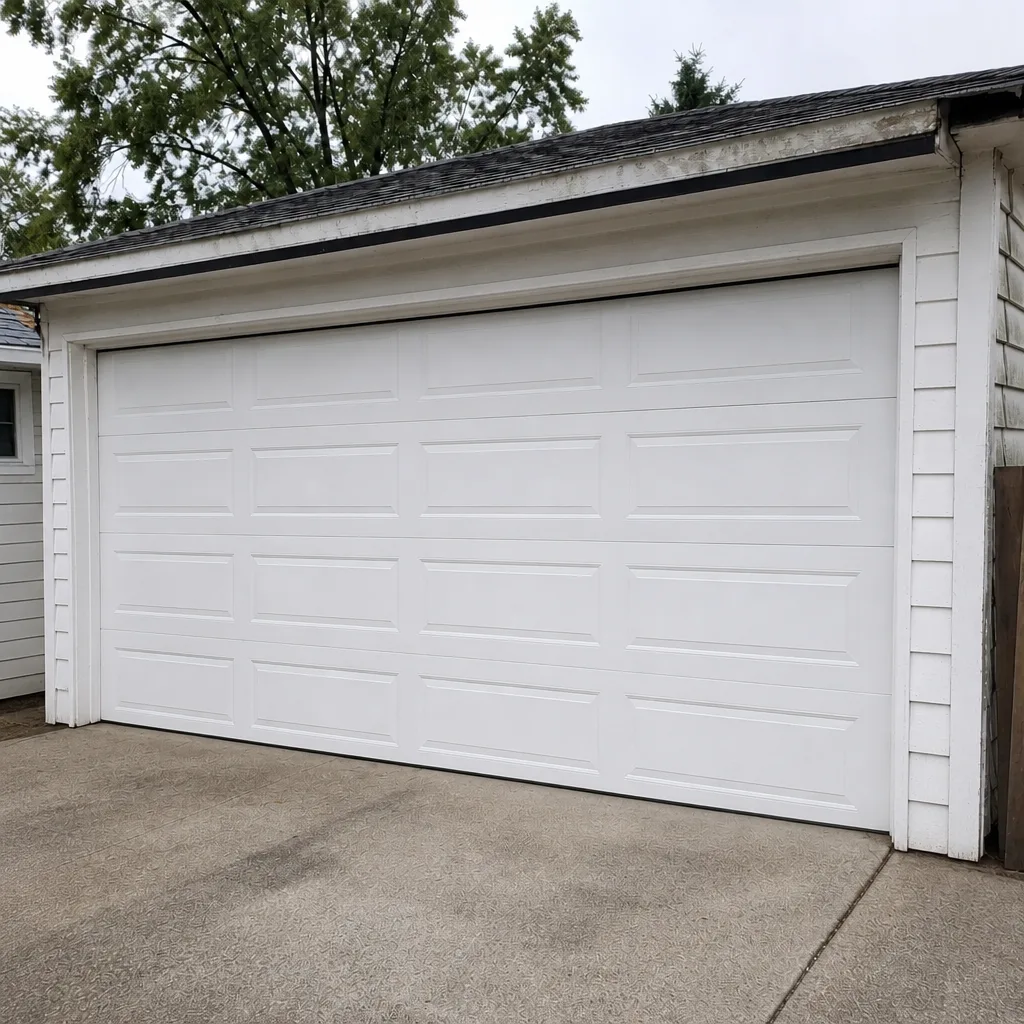 After
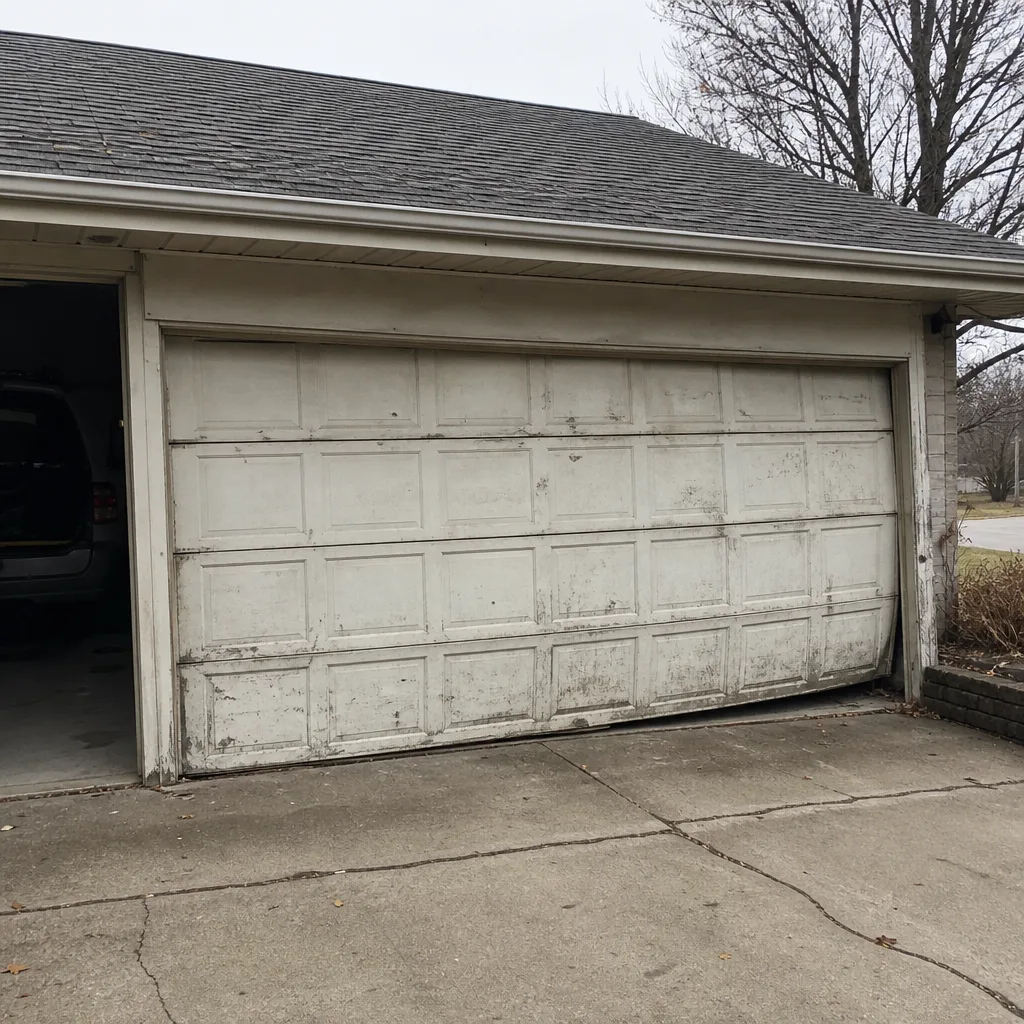 Before
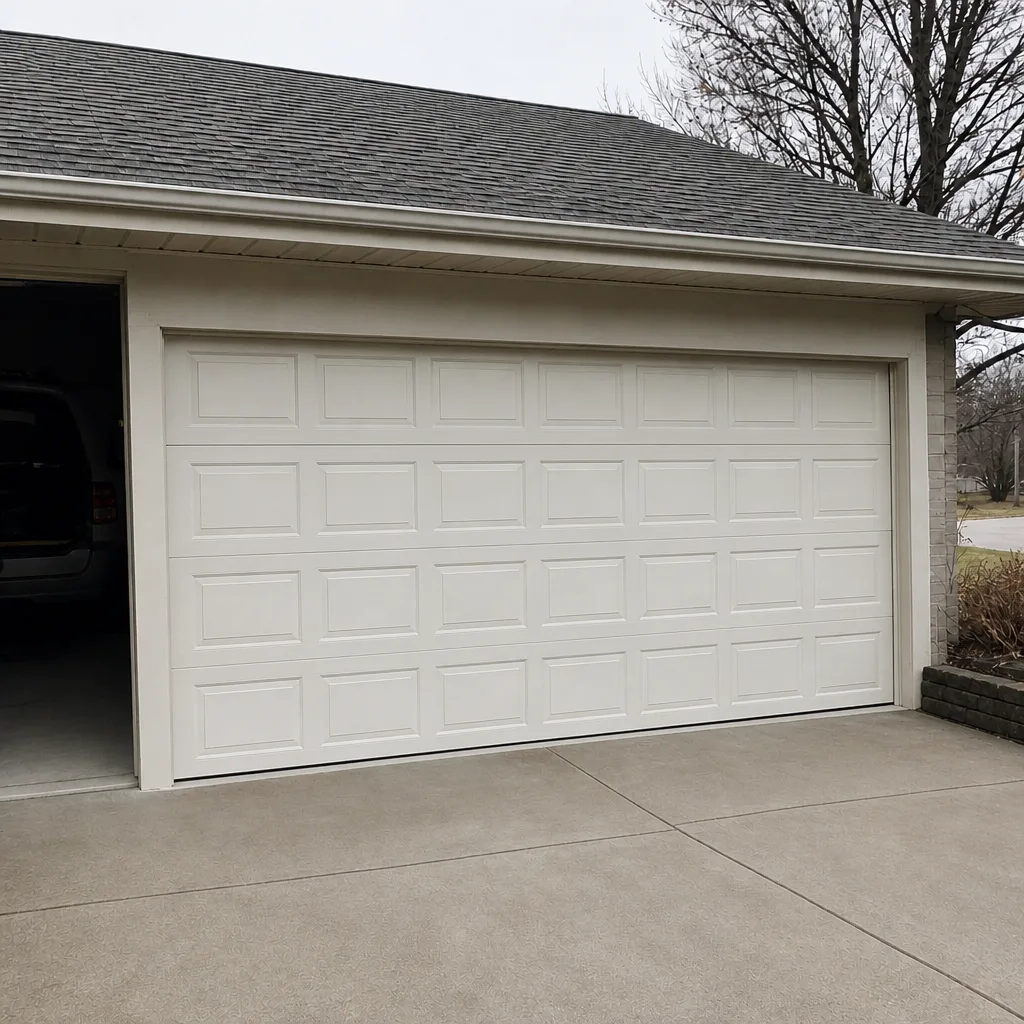 After
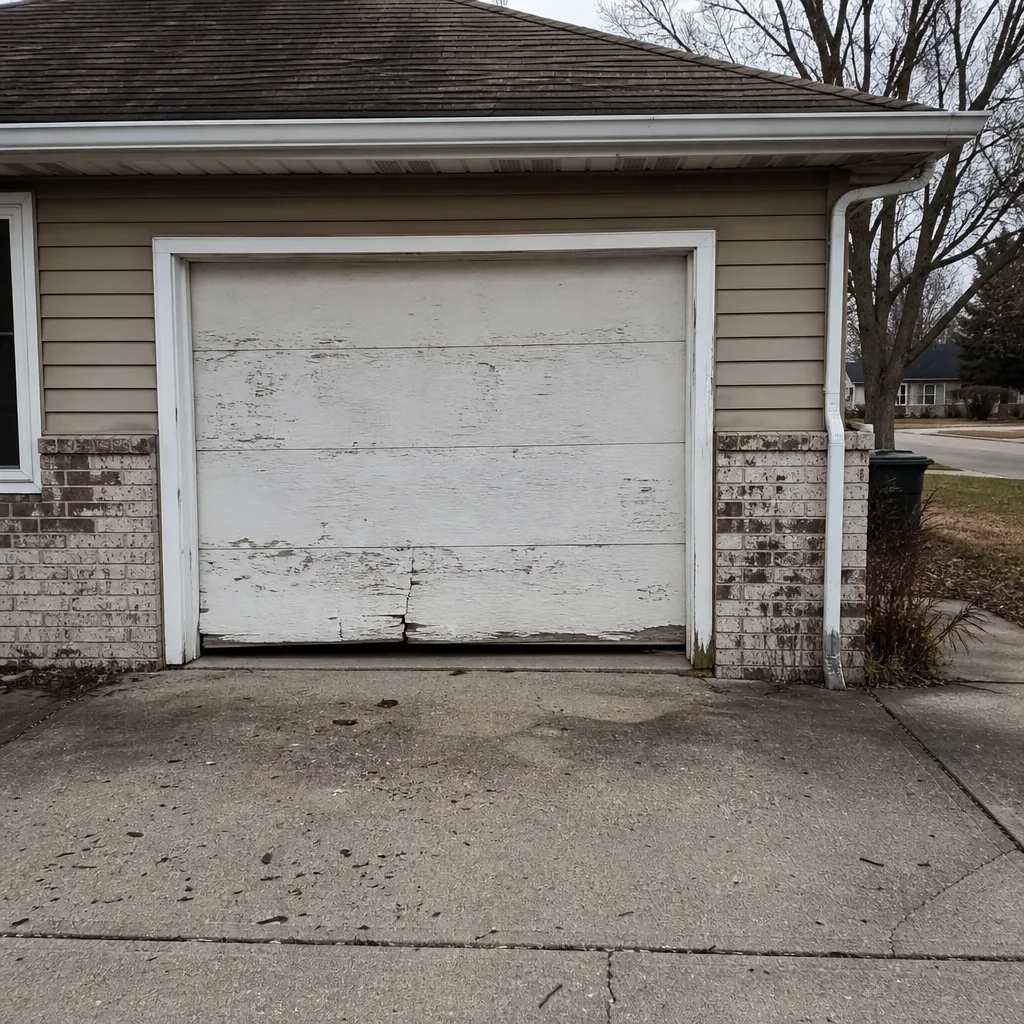 Before
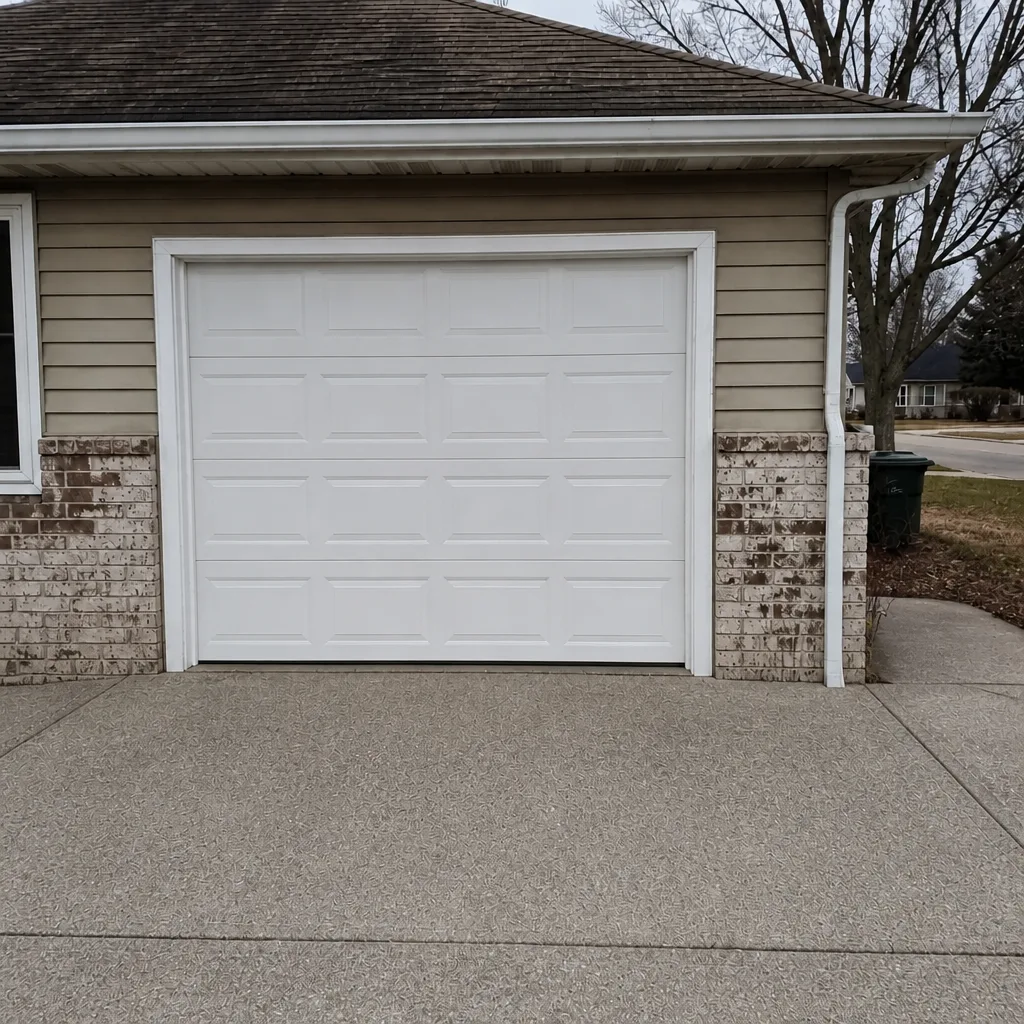 After
Frequently Asked Questions
Once a year at minimum, and ideally once before winter and once after the spring thaw. A garage door here cycles through a full cold-to-hot range, and the springs, seals, and opener wear differently in each season. A single fall tune-up covers the winter prep but leaves the frost-heave problems unaddressed. Call (833) 508-9483 for a free estimate.
Cold thickens the lubricant, hardens the seals, and stiffens the springs, so the opener has more resistance to push through. That’s normal to a point. If the door struggles, reverses on cold mornings, or the opener hums without moving the door, the problem usually traces back to worn springs or a dragging door, not the motor alone. Call (833) 508-9483 for an exact quote – estimates are free.
EPDM rubber is the most durable choice for Minnesota weather. It handles UV exposure and temperature swings far better than cheap vinyl seals, which typically crack and fail within a couple of summers. If your door faces south or west, pay closer attention to that seal, since it takes the most sun. Call (833) 508-9483 to talk through replacement options.
Yes, especially in the weeks right after the spring thaw. Frost heave can lift the concrete under the door unevenly, which pinches the bottom seal and knocks the tracks out of plumb. Look for daylight under the seal or a gap that’s wider on one side. If you see either, call a technician before the misalignment damages the rollers or the tracks. Call (833) 508-9483 for a free estimate.
Often, yes. An opener that’s already at its limit will usually be the thing that gives out on the coldest day of the year. The strain you hear in October is the strain the motor is still carrying in February. Diagnosing it early usually turns into a smaller repair than the emergency call that replaces the opener. Call (833) 508-9483 today.
We service LiftMaster, Chamberlain, Genie, Clopay, Amarr, Wayne Dalton, Craftsman, and Raynor – the brands found on most doors in the area. That means we work on the system you already have, not a system we’d rather sell you. Call (833) 508-9483 for a free estimate and to confirm your model before we come out.
The Bottom Line
The point of seasonal care in Edina isn’t a long list of chores. It’s matching your maintenance to the way the seasons actually stress the door. Prep the springs and opener before the cold arrives. Inspect the seal and tracks after the thaw. Protect the rubber and painted steel from summer sun. Run the pre-winter checklist in the order that matches failure probability. Do those four things and you’re dealing with the physics of a Minnesota year instead of reacting to a breakdown in the middle of one. When anything points toward springs, cables, or wiring, call a trained professional. That’s a safety line, not a sales pitch.
We answer 24/7. Fast dispatch from 7am to 7pm, Sunday through Friday. The local pro is licensed and insured as their state requires, and the price is quoted and agreed before any work starts. If you want a knowledgeable specialist who works on the brand you already own, you’ve found the right call.
Visit Edina Garage Door Repair Pros for free estimates and same-day service. Call (833) 508-9483 today.
Written by the team at Edina Garage Door Repair Pros.