
Last updated November 22, 2026
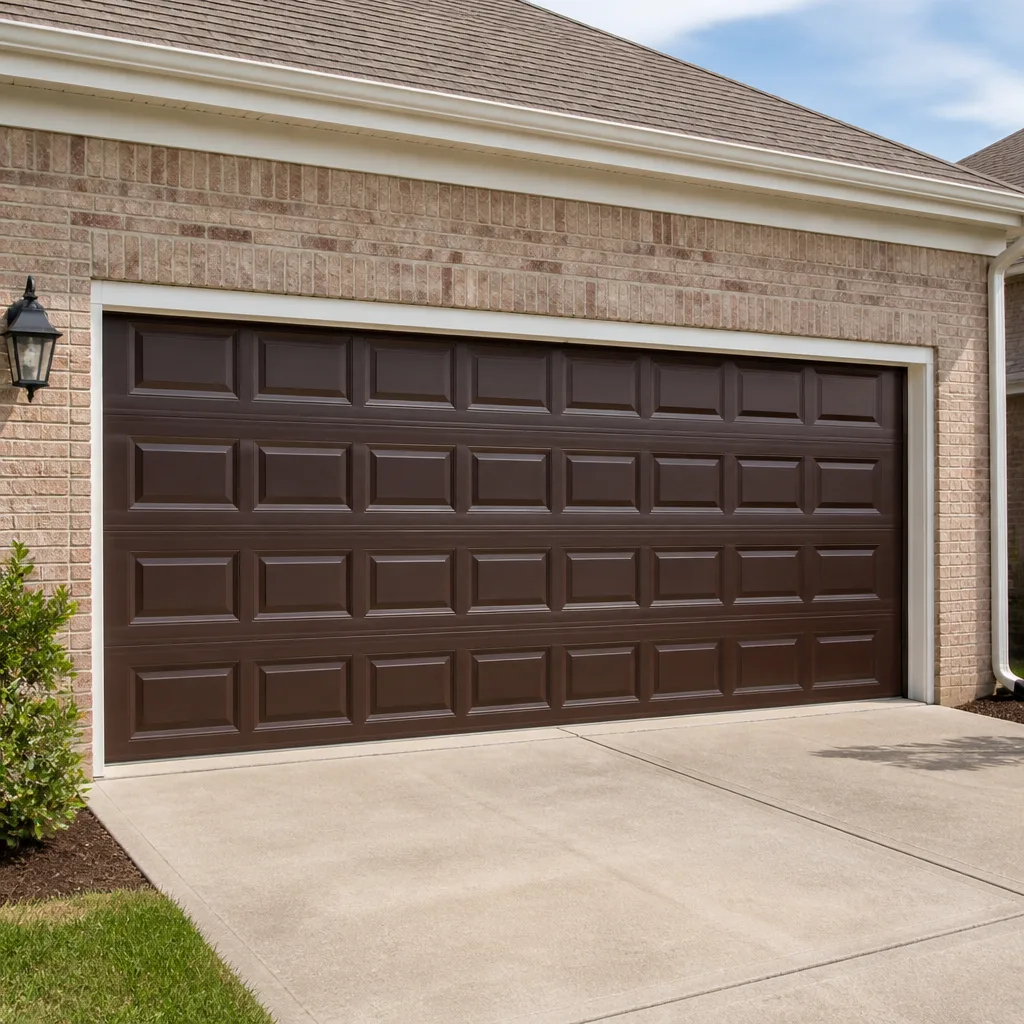 Raised-panel steel
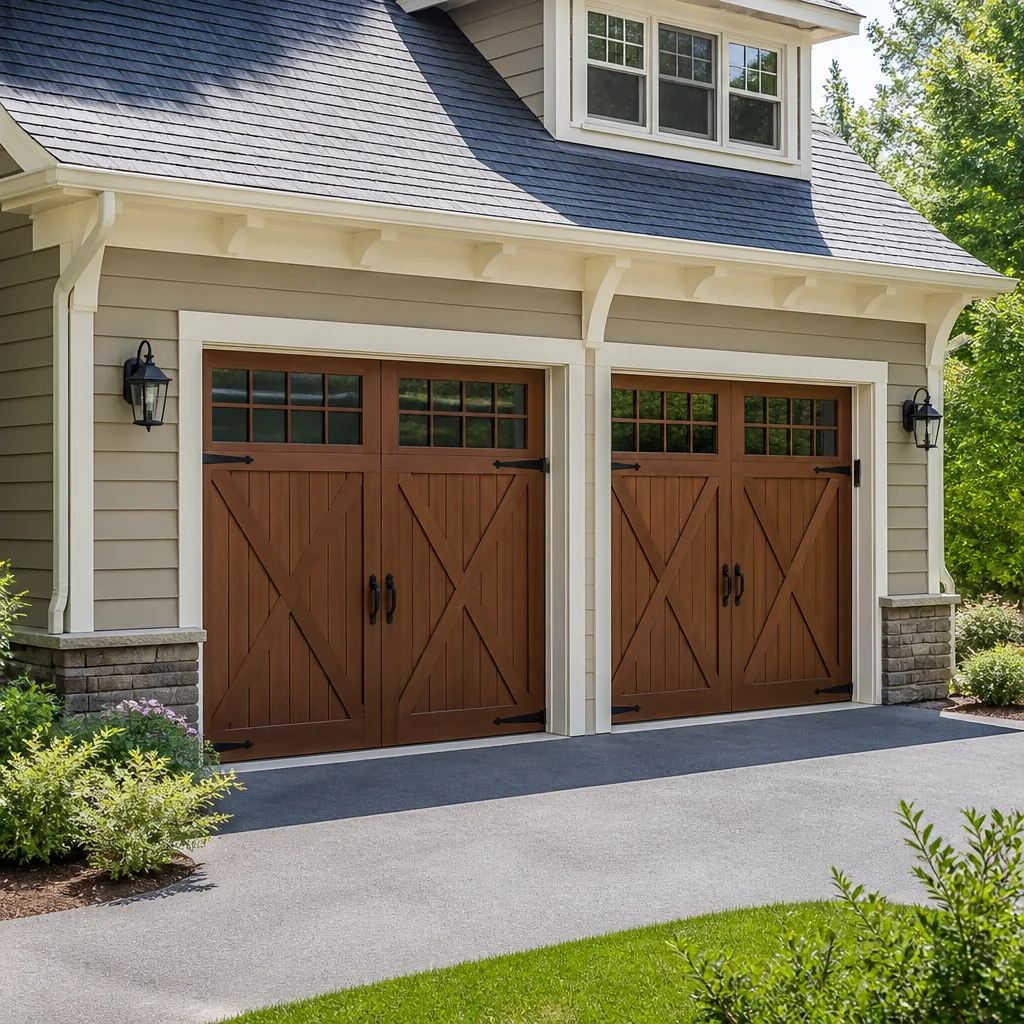 Carriage house
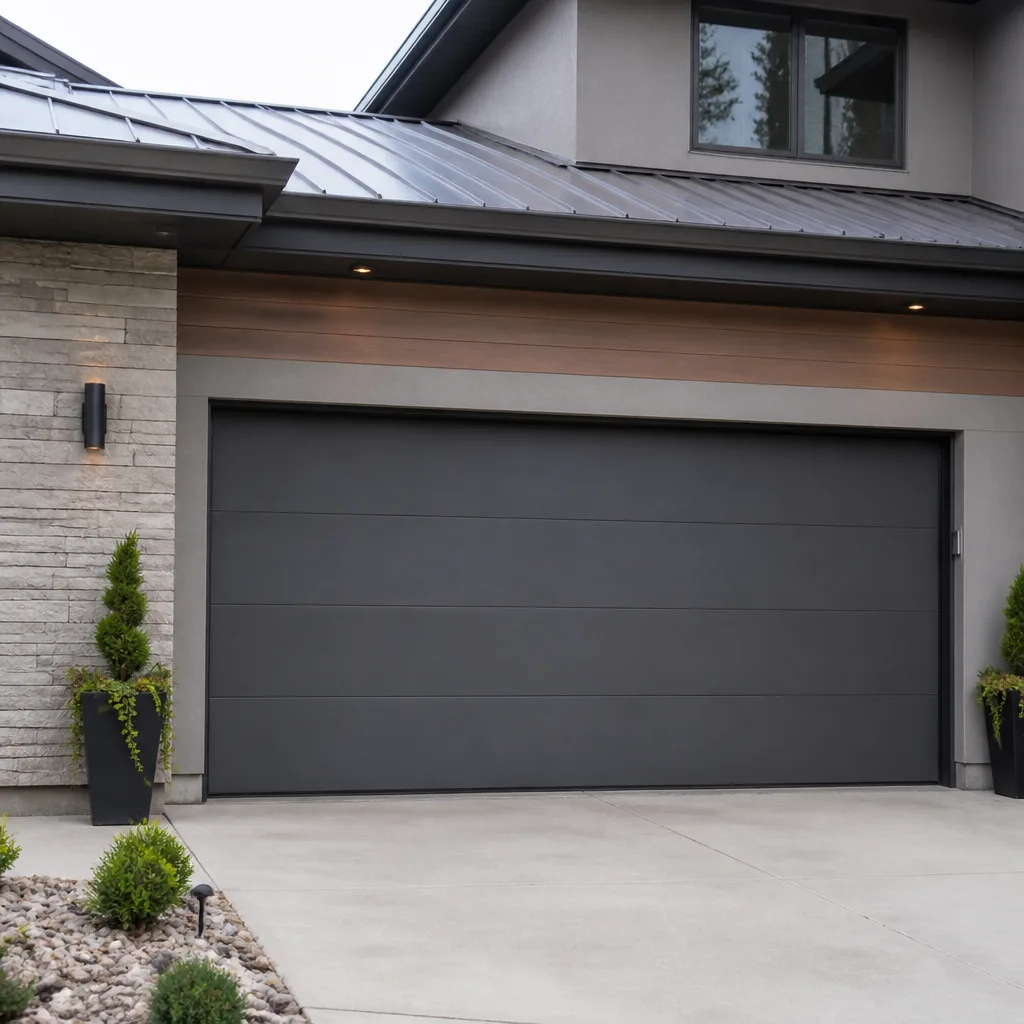 Modern flush
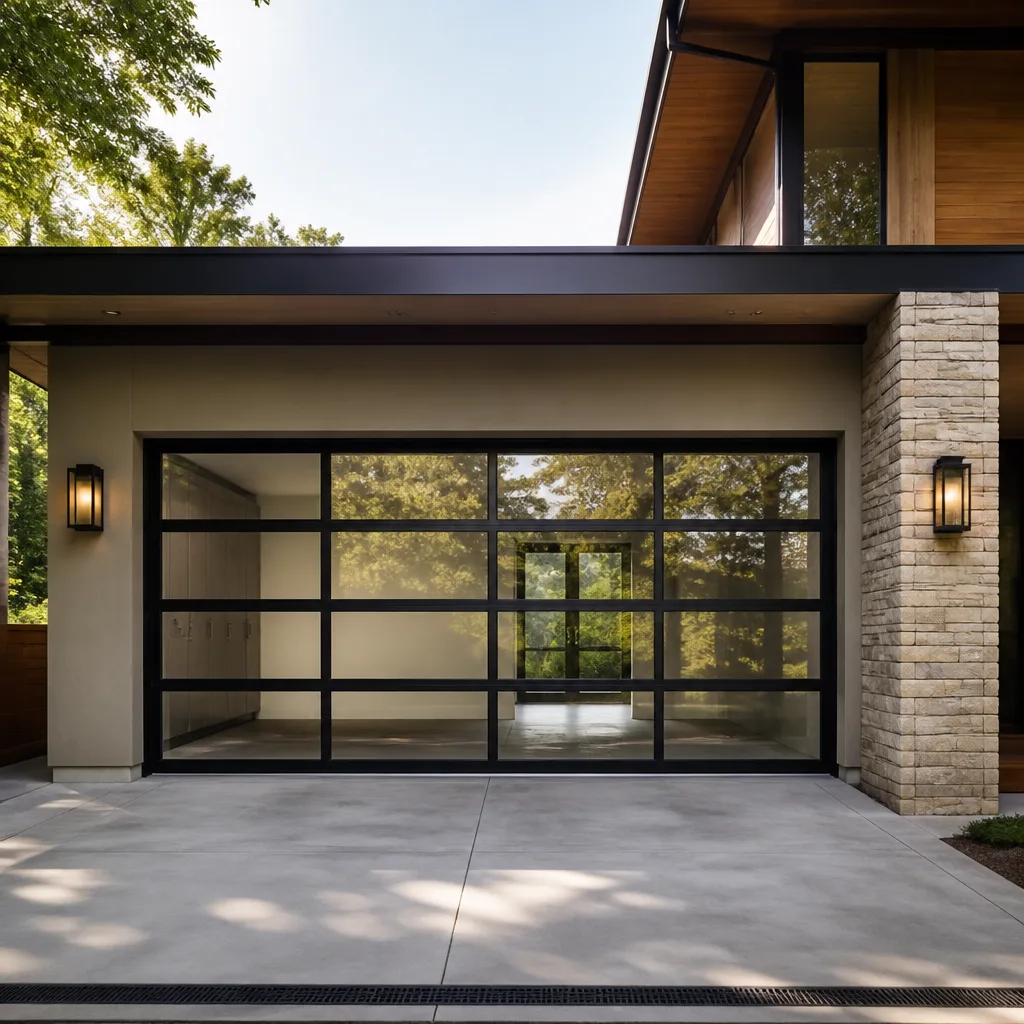 Full-view glass
 LiftMaster openers
 Chamberlain openers
Full 25-point door and opener safety check with every visit - springs, cables, rollers, tracks, and your LiftMaster or Chamberlain opener included
You get a price before we start. It does not change when the pro arrives.
Get your free estimateGarage Door Warning Signs: An Edina Homeowner’s Reference Guide
A garage door that reverses before it hits the floor isn’t being difficult. It’s reporting a specific fault, and the report narrows to two or three components almost every time. That’s the difference between a guide that lists symptoms and one that tells you what the symptom means. In Edina, where doors run through hard freezes, road-salt winters, and humid summers, those reports show up in predictable patterns. This reference covers each warning sign as a diagnostic signal: the mechanical root cause, how urgent it really is, and whether you’re looking at a repair you can schedule or a door you shouldn’t touch again until a professional sees it.
Quick Answer
The most serious garage door warning signs in Edina are a loud bang from the door area, a door that won’t lift at all, a visibly bent track, or a door hanging crooked with a slack cable. Those mean stop using the door and call a professional. Grinding noises, slow movement, uneven floor gaps, and a remote that only works up close are usually less urgent but will get worse, and they’re cheaper to fix early. Spring and cable work is the one category you should never attempt yourself.
Styles & brands we work with
- Raised-panel steel
- Carriage house
- Modern flush
- Full-view glass
- LiftMaster openers
- Chamberlain openers
Table of Contents
- The Loud Bang: Spring Failure vs. Cable Failure
- What a Slow-Moving Door Is Telling You
- Why Your Door Reverses Before It Hits the Floor
- Rust on Springs: Surface Oxidation vs. Structural Corrosion
- Uneven Gaps at the Floor: Adjustment or Something Worse
- Cold-Weather Warning Signs That Vanish by April
- Noises: Which Ones Mean Stop, Which Ones Mean Schedule
- Opener Warning Signs and What They Point To
The Loud Bang: Spring Failure vs. Cable Failure
A loud bang from the garage almost always means one of two things failed: a torsion spring, or a cable. The sounds are similar, and homeowners often can’t tell them apart. The difference matters because the risk and the correct response are not the same.
A snapping torsion spring produces a sharp, single report, like a gunshot or a heavy metal clang, and then the door won’t lift more than a few inches. The door will feel extremely heavy when you try to raise it by hand. The spring itself is often visibly broken into two pieces above the door. This is the single most common serious garage door failure, and it’s the reason spring repair is treated as its own specialty.
A cable failure is different. You’ll hear a bang plus a metallic whipping sound, and the door will hang crooked, with one side dropped lower than the other. A slack or snapped cable is visible on the side of the door. A cable failure is the more dangerous of the two because the door is now supported unevenly and can fall or twist unpredictably.
Here’s the response to each:
- Spring snapped: Stop using the door. Don’t try to force it open or closed. Call for repair.
- Cable snapped or slack: Stop using the door immediately. Don’t stand under it. This is a same-day call.
- Unsure which it was: Look at the spring (broken piece?) and the cables (slack?). If you can’t tell, don’t run the door to find out.
Every garage door spring and cable is under extreme tension, even on a light-looking residential door. Adjusting, removing, or replacing either one is the most dangerous job in this trade and requires proper tools, winding bars, and training. This isn’t a task to attempt yourself, and we say that plainly because we’d rather you call than get hurt.
For a full breakdown of the repair side, see our garage door repair service.
What a Slow-Moving Door Is Telling You
A door that moves sluggishly, or that seems heavier than it used to, is warning you about one of three things: motor wear, spring tension loss, or track friction. Each produces a slightly different movement pattern, and matching the pattern to the cause saves you from a misdiagnosis.
- Motor wear: The door starts slowly, then picks up speed and runs more normally toward the top. The opener sounds strained but the door itself moves freely when disconnected from the opener.
- Spring tension loss: The door is slow and heavy the whole way up, and much harder to lift by hand than it should be. The opener is working harder than it should because the spring isn’t carrying its share of the door’s weight.
- Track friction: The door moves unevenly, jerks through certain points, or makes a scraping or rubbing sound as it travels. Often one roller or one section of track is the culprit.
Disconnect the opener (pull the release cord) and lift the door by hand on a closed track. If it moves easily, the problem is on the opener side. If it’s heavy or binding, the problem is in the door system itself: springs, rollers, or track.
The distinction matters because homeowners sometimes replace an opener when the real problem is a tired spring, and sometimes replace a spring when the opener is simply wearing out. We work on the brand you already have, so the fix is based on what’s actually failing, not on a recommendation to swap everything. That’s a big part of why Edina Garage Door Repair Pros handles both the door and the operator as one diagnosis.
A slow-moving door is a fix-this-week problem, not an emergency. But it shouldn’t be ignored, because spring tension loss and track friction both trend in one direction.
Why Your Door Reverses Before It Hits the Floor
A door that goes down and then pops back up is usually signaling one of three issues: a misaligned safety sensor, an obstruction in the door’s path, or a limit switch set wrong. In a modern LiftMaster or Chamberlain opener, that behavior is a designed response, not a glitch. The opener is doing its job.
The safety sensors are the pair of small eyes at the bottom of the track on each side. If one is bumped, dusty, misaligned, or blocked by something as small as a leaf or a piece of winter debris, the door will reverse. Realigning and cleaning the sensors is often the entire fix.
The limit switch tells the opener where “fully closed” is. If it’s set too high, the opener believes the door is closed before it actually reaches the floor, and it reverses. That’s a small adjustment, but it’s worth having a technician check it because an incorrect limit setting can also cause the door to leave a gap or compress too hard.
- Check the sensor lenses on both sides for dirt, cobwebs, or debris, and wipe them clean.
- Confirm both sensors are facing each other squarely and the indicator light on each is solid, not blinking.
- Look for anything in the door’s path that could break the beam: a shovel handle, a bag of salt, a recycling bin.
- If it still reverses after that, the limit switch or the logic board is the likely cause and needs a technician.
That’s a case where knowing the symptom saves a full-trip diagnosis. If the fix is a sensor realignment, that’s what we’ll tell you. For more on the operator side, see our garage door opener repair page.
Rust on Springs: Surface Oxidation vs. Structural Corrosion
Every torsion spring in an Edina garage shows some rust eventually. The question is when rust is cosmetic and when it’s a warning that the spring is close to failure. The distinction is visible if you know what to look for.
- Surface oxidation: A light orange-brown film, often on the outside of the coil only. The spring feels solid when tapped, and no flaking or pitting is visible.
- Structural corrosion: Pitting, flaking, or a chalky white or dark reddish crust, often worst where the spring coils are tightest or where the spring meets the end plate. The spring may show small cracks or thinning at the ends.
Structurally compromised springs are the ones we treat as a schedule-soon repair, even if the door is still working. A spring that’s already pitted and losing cross-section is closer to snapping than a clean spring of the same age, and a snapped spring is what produces the loud bang and the door that won’t lift. Catching it early means fixing one spring on a scheduled visit instead of dealing with a door stuck shut.
Edina garage doors see more of this than a lot of the Twin Cities because of the moisture cycle: snow melts off the car and floor, then refreezes, then melts again. That wet-dry cycling is hard on any steel component in the garage. Keeping the door and springs dry where possible, and having the springs inspected during any routine service call, is the practical answer.
Don’t oil a structurally compromised spring and call it done. Lubricant on a failing spring hides the pitting without fixing anything.
Uneven Gaps at the Floor: Adjustment or Something Worse
A door that leaves a visible gap along one side of the floor seal, or that doesn’t sit level, is telling you one of two things. Either the travel limits need a simple adjustment, or the track or a panel is bent and the door is no longer square in its opening.
The simple case is a limit switch set slightly too high, or a bottom seal that’s compressed or worn. A technician can adjust limits and replace a bottom seal quickly, and it’s a fix-this-week problem, not an emergency. Here’s the right way to check which you’re dealing with:
- Open the door and look at the vertical tracks on both sides. Are they straight, or is one visibly bent or pushed inward?
- Look at the door panels from the side. Does the door sit flat and parallel, or does one side hang lower?
- Close the door and watch the gap. Does it stay even all the way down, or does the door shift as it descends?
- If the track is bent or a panel is warped, stop using the door and have it looked at. If the track is straight and the door sits level, it’s an adjustment.
A bent track can be caused by a vehicle bump, a mis-hit from something in the garage, or a failing roller that has begun to grind on the track. Left alone, a bent track forces the door to bind, which strains the opener and accelerates wear on the rollers and hinges. That’s why we look at the track before adjusting the door – fixing the adjustment without fixing the cause just delays the next problem.
A gap that shows up suddenly, after months of a clean seal, is worth a look regardless. If you’re considering a replacement because of chronic sealing problems, our garage door installation page covers what that involves.
Cold-Weather Warning Signs That Vanish by April
This is the section most Edina homeowners skip, and it’s the one that costs the most. A door that groans, hesitates, or runs slower in January but seems fine again in April is telling you something specific: the cold is exposing a marginal component. When spring arrives, the symptom disappears and the underlying fault is never addressed. Then it goes into next winter and fails outright, usually on the coldest morning of the year.
The reason cold matters here more than in milder climates is straightforward. Metal contracts, lubricant thickens, and springs that were tensioned correctly for 40 degrees behave differently at zero. A spring with a small amount of tension loss in fall becomes noticeably weak in a hard freeze. A roller partly seized in summer becomes hard to turn in winter. A door that just barely closes in fall may stop short of the floor in February.
Signs that specifically show up in cold weather and tend to disappear in spring:
- Door feels slow or struggles on the first cycle after a cold night, then works fine later.
- A grinding or groaning sound that’s worse in winter and quieter in warmer months.
- Door reverses before closing on cold mornings but not later in the day.
- Weatherstripping that leaks cold air in winter but seems fine on a warm spring day.
The right time to have a cold-weather symptom looked at is the moment it appears, not after it clears up. If your door behaves badly in February and normally in May, that’s the fault we want to find in May. Otherwise you meet it again in December, and this time the spring snaps or the opener quits.
Our technicians have up to 8 years of experience reading exactly this kind of seasonal pattern, and it’s worth one scheduled visit to catch a marginal component before the next freeze.
Noises: Which Ones Mean Stop, Which Ones Mean Schedule
Garage doors make noises. The trick is separating the noises that signal danger from the ones that signal wear. In our experience, most of the “stop and call” sounds come from one specific part of the door.
Sounds that mean stop using the door
- A single loud bang, followed by a door that won’t lift.
- A metallic snap plus a crooked, hanging door.
- A loud grinding or scraping that gets worse within a few cycles.
Sounds that mean schedule a repair
- A rhythmic squeak, usually rollers or hinges needing lubrication or replacement.
- A rattle or clunk at the start or end of travel, often a loose hinge or bolt.
- A humming opener that doesn’t move the door, often a stripped gear or a broken logic override.
The rhythmic squeak is the one homeowners most often ignore. It’s rarely dangerous, but a squeaking roller or hinge that never gets addressed turns into a seized roller or a cracked hinge bracket. That’s a bigger repair later, and it’s why we check the whole door during any service call, not just the part the homeowner called about.
Opener Warning Signs and What They Point To
The opener is where a lot of warning signs end up, whether or not the opener is the actual fault. If your remote works only when you’re close to the door, that’s usually a battery or antenna issue in the remote, not the opener. If the wall button works but the remote doesn’t, it’s the remote or the receiver. If neither works, it’s the opener or the power.
Beyond that, specific opener behavior narrows things quickly:
- Opener runs but door doesn’t move: usually a stripped drive gear, a broken trolley, or the manual release pulled. Not a sensor problem.
- Opener lights flash but nothing happens: usually a safety sensor issue on LiftMaster and Chamberlain units that use the light as a fault indicator.
- Opener runs a few seconds and stops: usually a force adjustment or a binding door. Have the door checked first, because the opener may be correctly refusing to force a stuck door.
- Opener works intermittently: often a failing logic board or a loose connection.
Opener diagnosis goes better when the technician is comfortable with both the mechanical door and the operator. A Craftsman opener on a drifting door and a modern LiftMaster with the myQ app behave very differently, and the answer isn’t always “replace the opener.” That’s why we service LiftMaster, Chamberlain, Genie, and Craftsman operators as standard, and why we’ll tell you when the opener is fine and the problem is elsewhere.
Common Mistakes to Avoid
- Forcing a door that won’t open. If the door won’t lift more than a few inches, or if it’s crooked, don’t run it. The door or opener is telling you a spring or cable has failed, and forcing it can turn a repair into a replacement.
- Attempting spring or cable work yourself. The tension on a torsion spring is enough to cause serious injury. There’s no YouTube shortcut that makes winding a spring safe; this is the one job to always leave to a professional.
- Calling the cold-weather symptom “fixed” in April. A door that groans in January and seems fine in May has a real fault that will come back next winter. Address it in spring, when you can schedule it on your terms.
- Greasing a spring that’s already pitted. Lubricant hides structural corrosion, and a spring that’s pitted and flaking is a snap waiting to happen. Don’t cover up the sign you’re trying to read.
- Replacing the opener when the door is the problem. A strain-related opener failure is often a symptom of a binding door, worn rollers, or a tired spring. Diagnose the door first.
- Ignoring a bent track. A bent vertical track forces the door to bind, which is what kills openers and wears out rollers. Straightening or replacing the track before replacing anything else saves money.
- Trying to adjust the safety sensors without checking the door path first. Reversing doors are often a sensor problem, but they’re sometimes a genuine obstruction or a limit switch issue. Confirm which one you’re actually dealing with.
See the difference
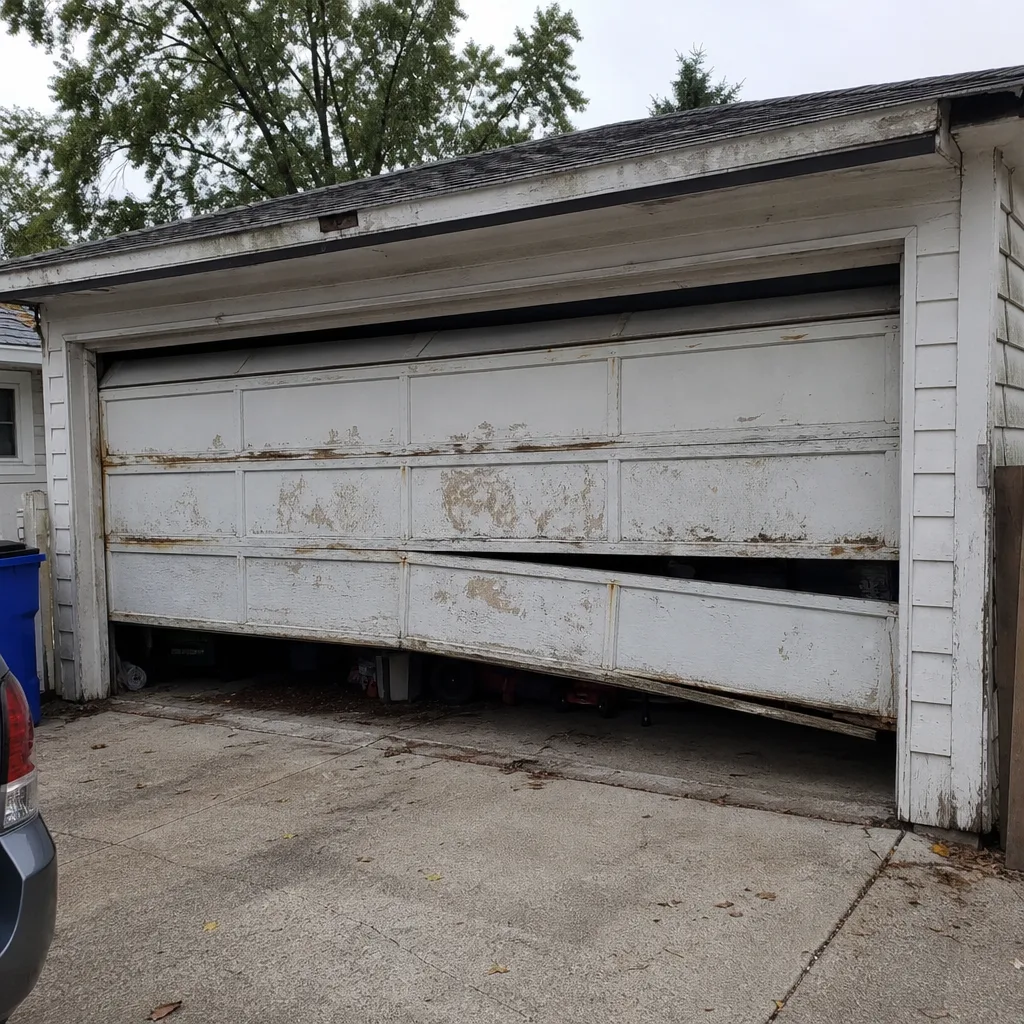 Before
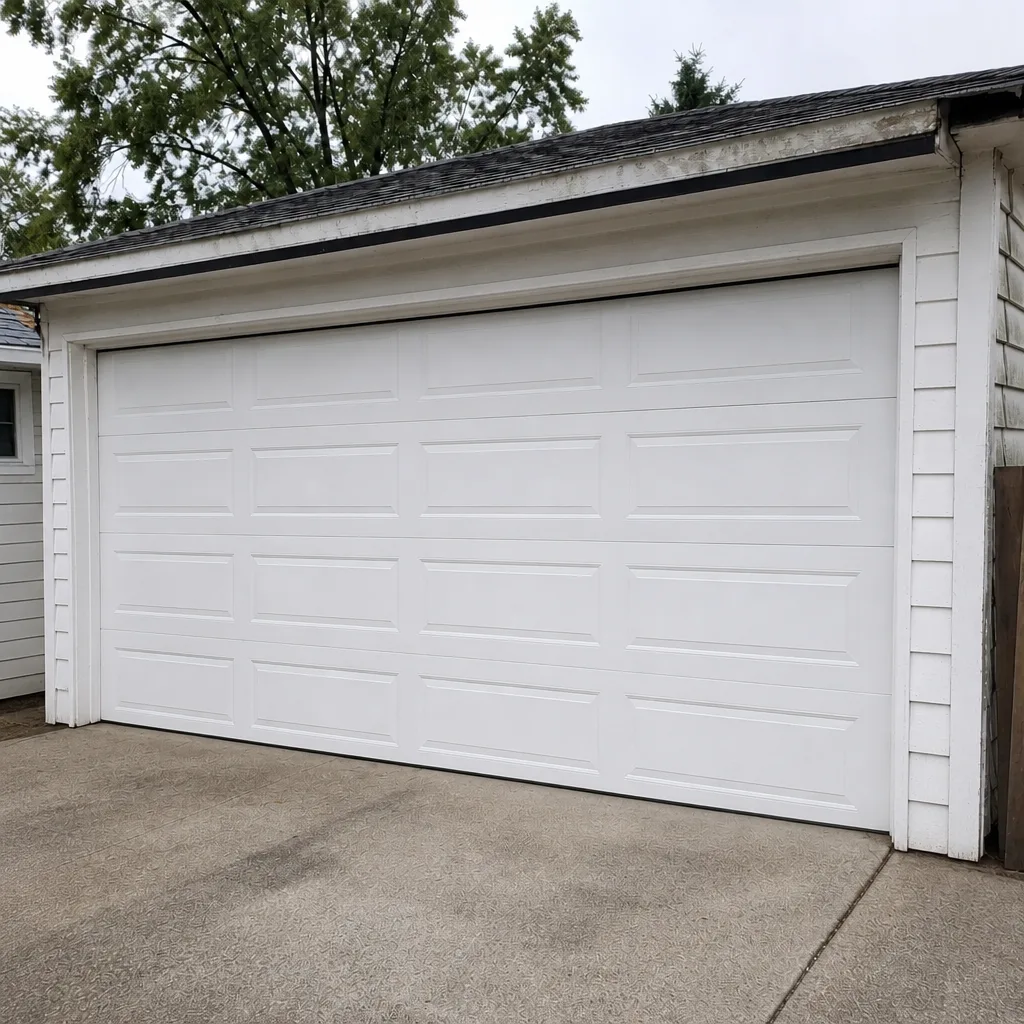 After
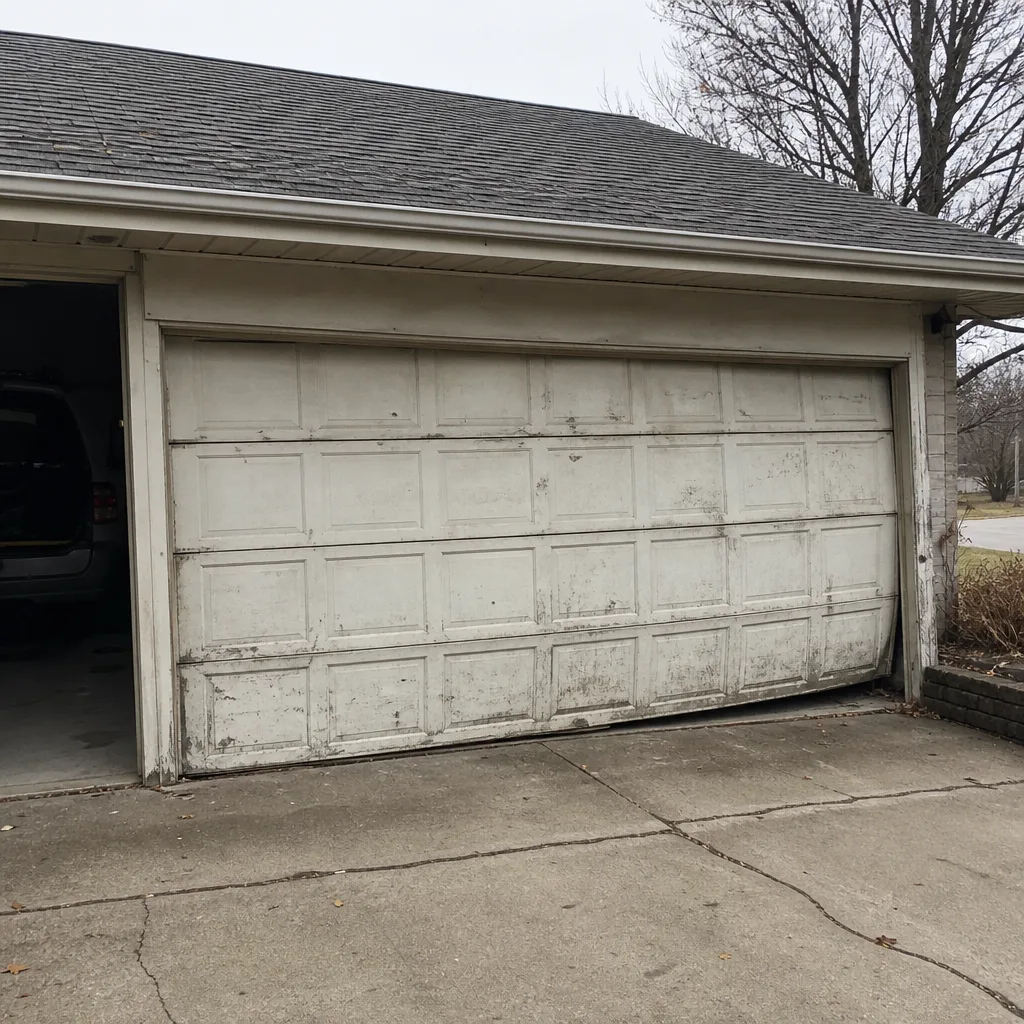 Before
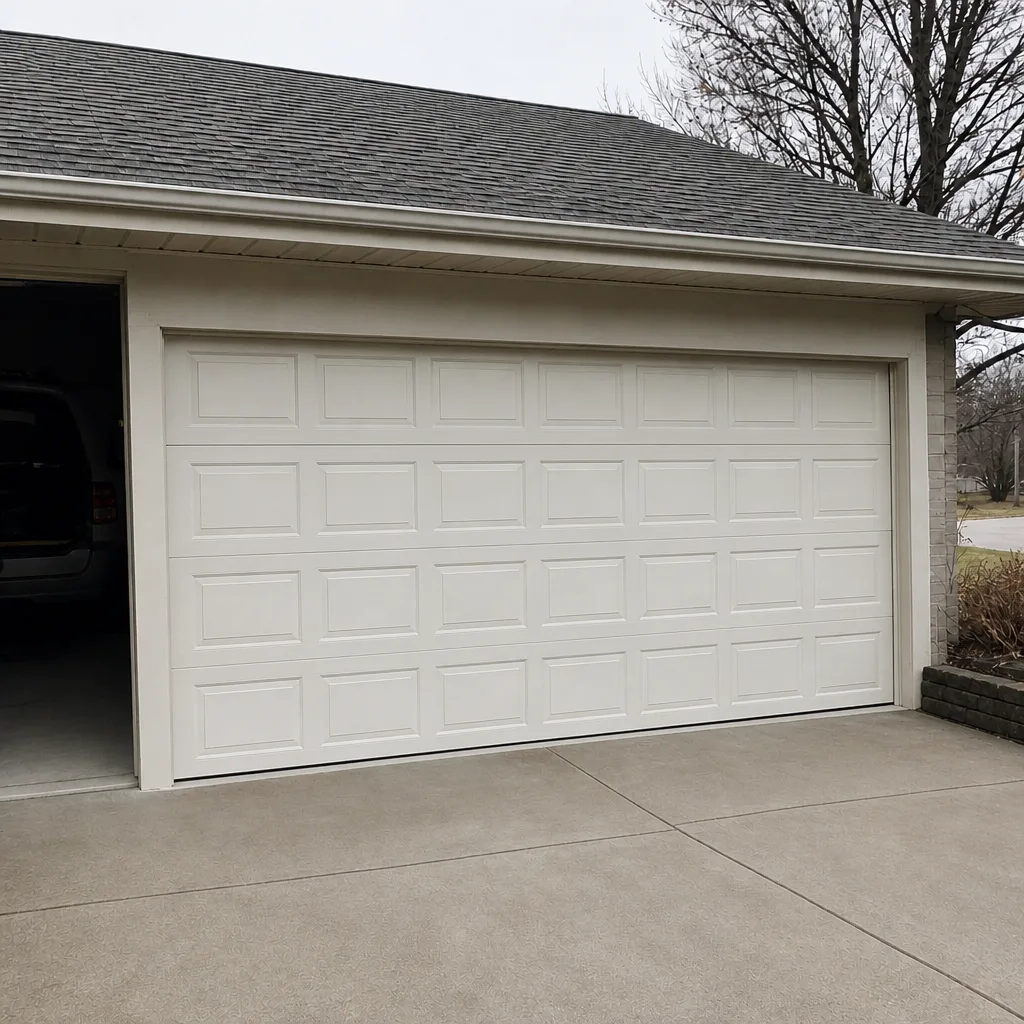 After
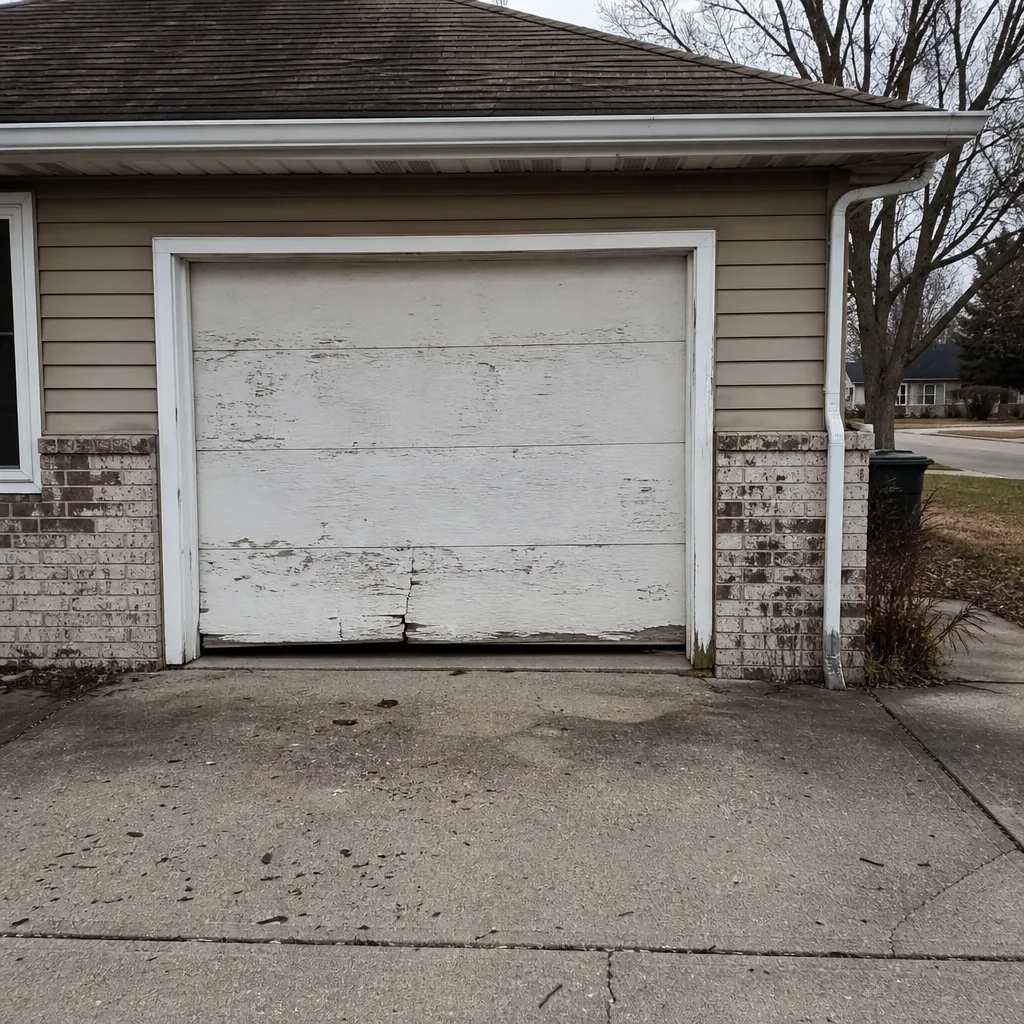 Before
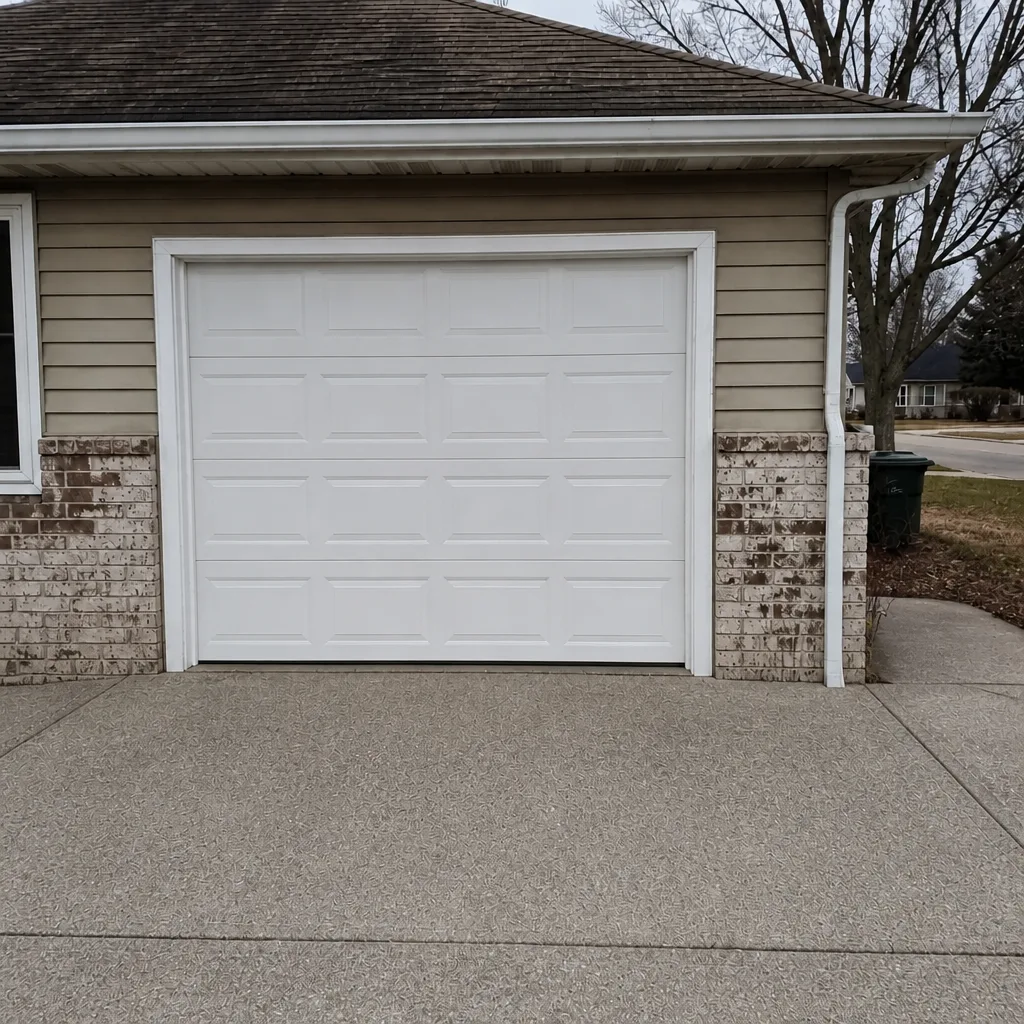 After
When to Call a Professional
A crooked door, a door that won’t lift, a snapped spring or cable, a bent track, or an opener that runs without moving the door are all calls for a professional, not a weekend project. Cold-weather symptoms that keep coming back each winter are worth a scheduled visit too, before the next freeze. Catching a marginal spring or a worn roller early is cheaper than waiting for it to fail on the coldest morning.
We service the vast majority of residential brands in any Edina neighborhood, including Wayne Dalton, LiftMaster, Chamberlain, Genie, Clopay, Amarr, Craftsman, and Raynor, so there’s no need to wonder whether the brand you already have is something we can work on. Edina Garage Door Repair Pros offers free estimates in Edina. Call (833) 508-9483 and get a straight answer on whether the sign you’re seeing is a schedule-soon problem or a stop-right-now problem. We answer 24/7. Fast dispatch from 7am to 7pm, Sunday through Friday.
Frequently Asked Questions
A broken spring usually produces one sharp bang and leaves the door too heavy to lift by hand, often with a visible break in the coiled spring above the door. A snapped cable produces a bang plus a metallic whipping sound and leaves the door hanging crooked, with one side lower than the other. Stop using the door in either case and call for repair. Call (833) 508-9483 for an exact estimate – estimates are free.
Usually not dangerous by itself, but it does mean the opener doesn’t think the door is closed, and it can leave the garage open overnight. The common causes are misaligned or dirty safety sensors, an obstruction in the door’s path, or a limit switch set too high. Clean the sensor lenses and check the path first, then call if it still reverses. Call (833) 508-9483 – estimates are free.
Same-day service is often available for repair and emergency calls. We answer 24/7, and a call outside dispatch hours is booked into the next opening, Sunday through Friday, 7am to 7pm. If the door is crooked, won’t close, or a spring has snapped, call (833) 508-9483 and describe what you’re seeing.
No, not for a quoted job. The price is quoted and agreed before any work starts, so the written estimate is what you pay. If the diagnosis turns up a different problem than expected, we explain it and quote it before touching anything. Call (833) 508-9483 for an exact quote – estimates are free.
Light orange surface rust is common and usually cosmetic. Pitting, flaking, or a chalky or dark crust on the coils is structural corrosion and means the spring is closer to failing than a clean spring of the same age. Don’t oil it and call it handled; have it inspected. Call (833) 508-9483 if you’d like someone to look.
In nearly every case, yes. We work on Wayne Dalton, LiftMaster, Chamberlain, Genie, Clopay, Amarr, Craftsman, and Raynor, which covers most residential doors in and around Edina. If your system is one of these, we can repair or service it rather than pushing you into a brand switch. Call (833) 508-9483 to confirm yours.
The local pro who performs the work is licensed and insured as the state requires. We connect Edina homeowners with independent local garage door professionals who do the work, and we’re glad to confirm details when you call. Call (833) 508-9483 – estimates are free.
No, don’t wait. A cold-weather symptom that disappears in spring is a marginal component the cold is exposing, and it will come back next winter, usually worse. Have it checked while you can schedule it. Call (833) 508-9483 and we’ll look at the door before the next freeze.
The Bottom Line
Warning signs on a garage door are diagnostic signals, not just noise. A loud bang followed by a heavy door means a spring; a crooked door with a slack cable means a cable; a reversing door means a sensor or limit; a slow door means motor, spring, or track; rust on a spring means check the coil, not the surface; a bent track means stop and repair. The signs that come and go with the seasons in Edina are the ones most often ignored and most likely to fail on the coldest morning of the year. If you can’t tell which sign you’re looking at, don’t test it by running the door. Call a professional, get an honest diagnosis, and fix it once.
For help with any of it, call (833) 508-9483. Edina Garage Door Repair Pros offers free estimates, and every price is quoted and agreed before work starts. We answer 24/7. Fast dispatch from 7am to 7pm, Sunday through Friday, closed Saturday.
Written by the team at Edina Garage Door Repair Pros.